Receivers for simultaneous interpreting
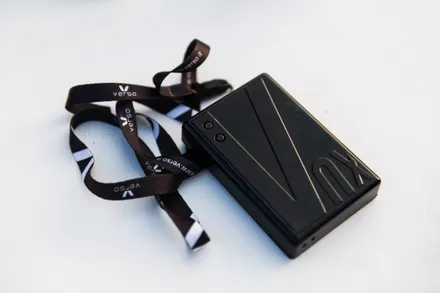
A receiver, a pair of headphones, the channel for your language.
It's how audiences listen to the interpretation at almost every in-person event. One or more radio transmitters cover the room; each attendee gets a receiver and headphones and picks the channel for their language.
How it works
- 1
The interpreters interpret
In a booth in the room, with a bidule or from the RSI Hub in Milan: each language gets its own channel.
- 2
The transmitters cover the room
One or more radio transmitters carry every language across the room, with no cables to the audience.
- 3
The audience picks a channel
Set the receiver to the channel for your language and listen on headphones.
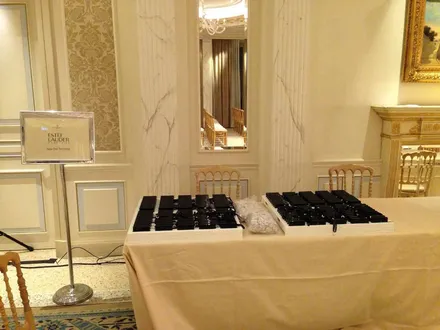
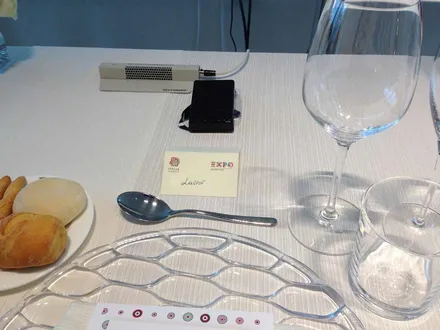
Receivers and headphones for the audience

With remote interpreters too
The interpreters can work from the RSI Hub in Milan while the audience in the room listens on receivers. The RSI Bridge sends the floor to the Hub, gets the interpreted languages back and transmits them to the Converso receivers in the room.
Explore the RSI BridgeRadio frequency since 2001
We started with radio frequency when everyone else was using infrared. A radio signal doesn't need a line of sight to the transmitter, so it works even where the light doesn't reach.
Our storyIn all honesty
Receivers have to be handed out, collected and recharged, and someone has to staff the desk. With a seated, registered audience that's easy. At a festival, where people come in, listen and leave, it turns into a queue.
That's where phones make more sense: people listen in the WebApp by scanning a QR code. And you can have both: with the Streamer, the audio from the interpreting system reaches the WebApp too.